
Understanding Sedex: The Ethical Supply Chain Platform

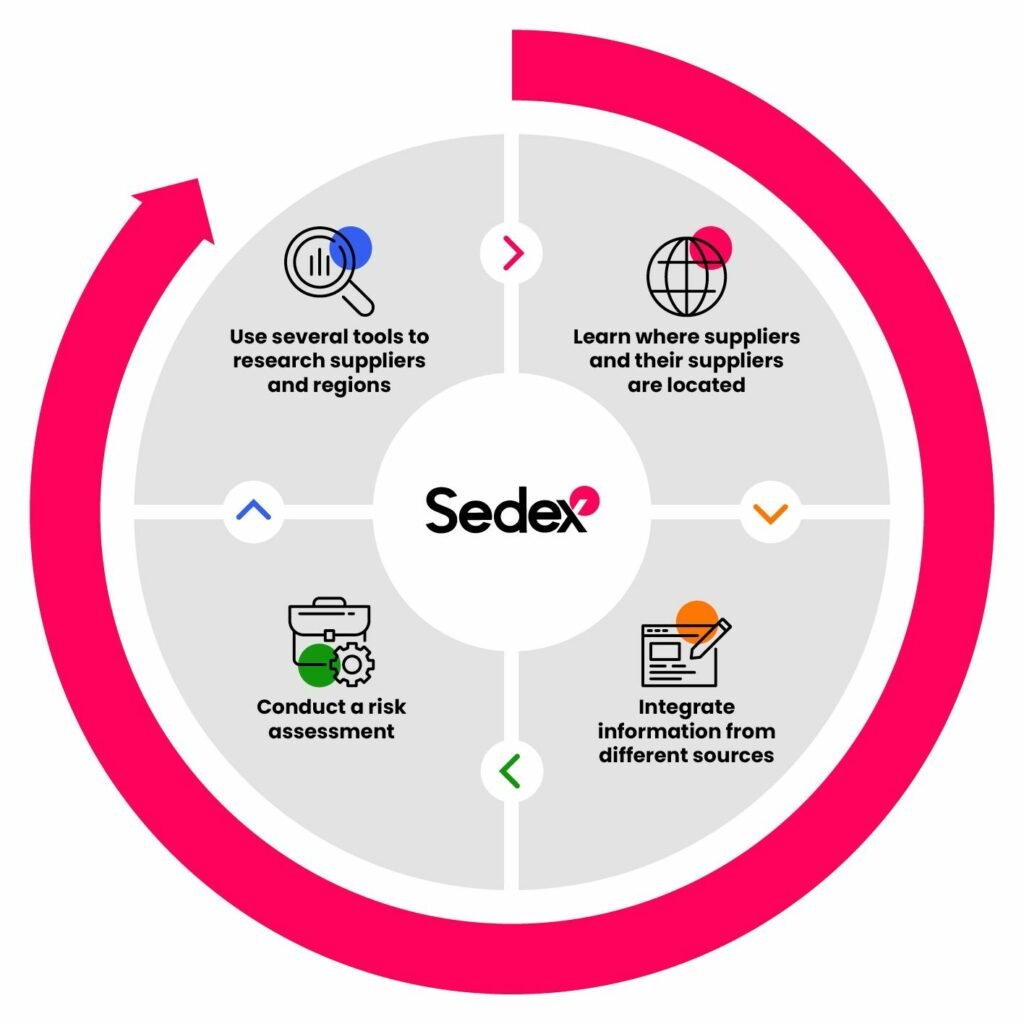
In today’s globalised business environment, manufacturing, sourcing and supply-chain complexity mean that brands and organisations can no longer focus solely on cost, quality and delivery time. They must also manage the ethical, environmental and social performance of their supply chain. One of the key tools for doing so is Sedex.
What is Sedex certification with SAS Consultancy ?
Sedex is short for Supplier Ethical Data Exchange. It is a not-for-profit membership organisation dedicated to improving responsible business practices in global supply chains.
Rather than being a certification body itself, Sedex provides a platform where organisations can:
- Capture, store and share data about ethical trade and sustainability practices.
- Use standardised audit methodologies (such as SMETA — Sedex’s audit format) to evaluate supplier sites.
- Foster transparency, collaboration and continuous improvement across supply chains.
Why the confusion around “Sedex certification”?
It’s important to clarify that Sedex does not issue a pass/fail certificate or “Sedex certification” in the way that a certification body (like for ISO standards) might. Sedex membership allows access to the platform and audit tools, but membership alone is not a guarantee of compliance. Instead, the meaningful output is the completion of a SMETA audit and subsequent corrective action plans, rather than a formal certificate.
The Four Pillars of SMETA Audits
6
One of the central features of Sedex’s audit methodology is SMETA (Sedex Members Ethical Trade Audit), which is the widely-used social audit framework.
What does SMETA cover?
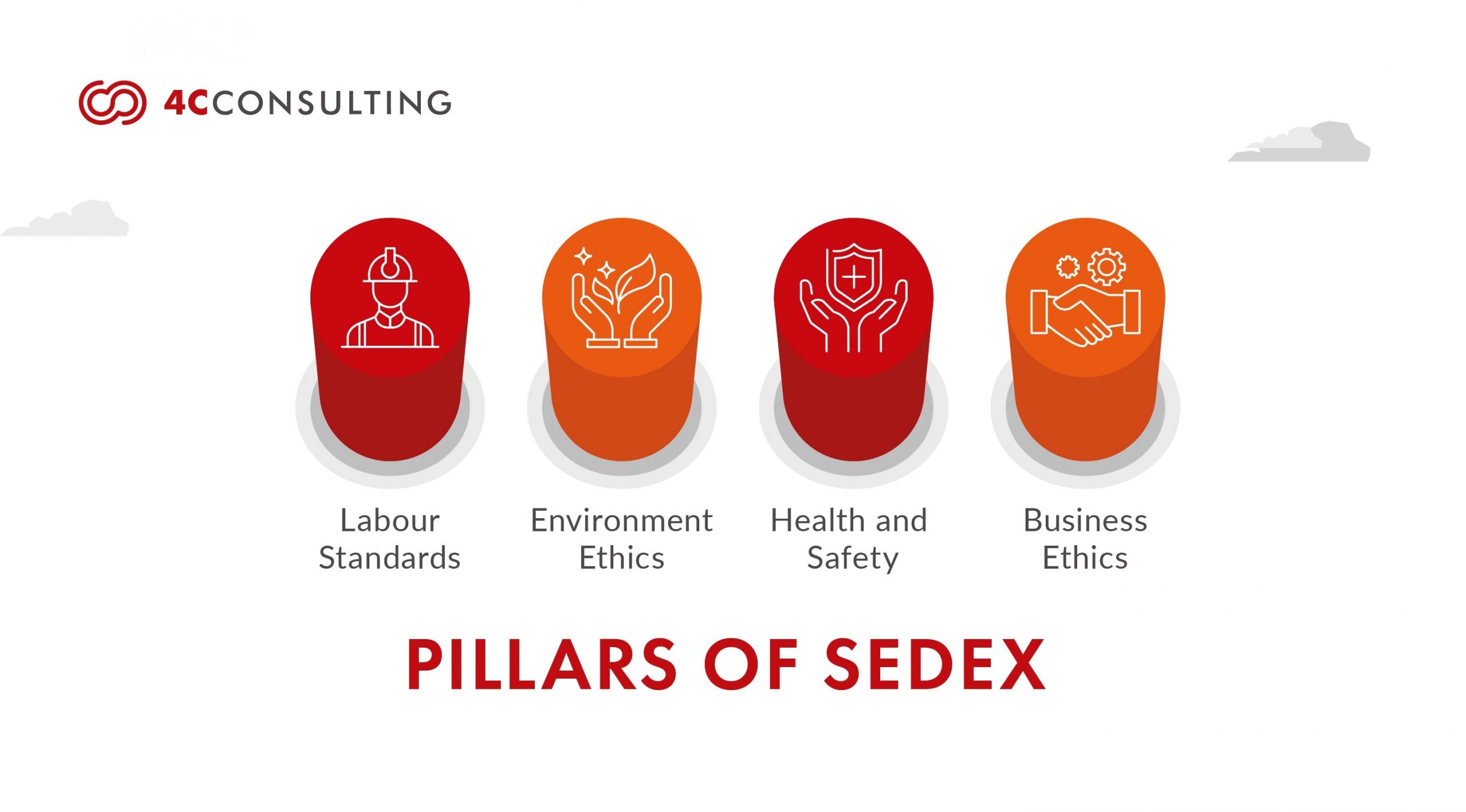
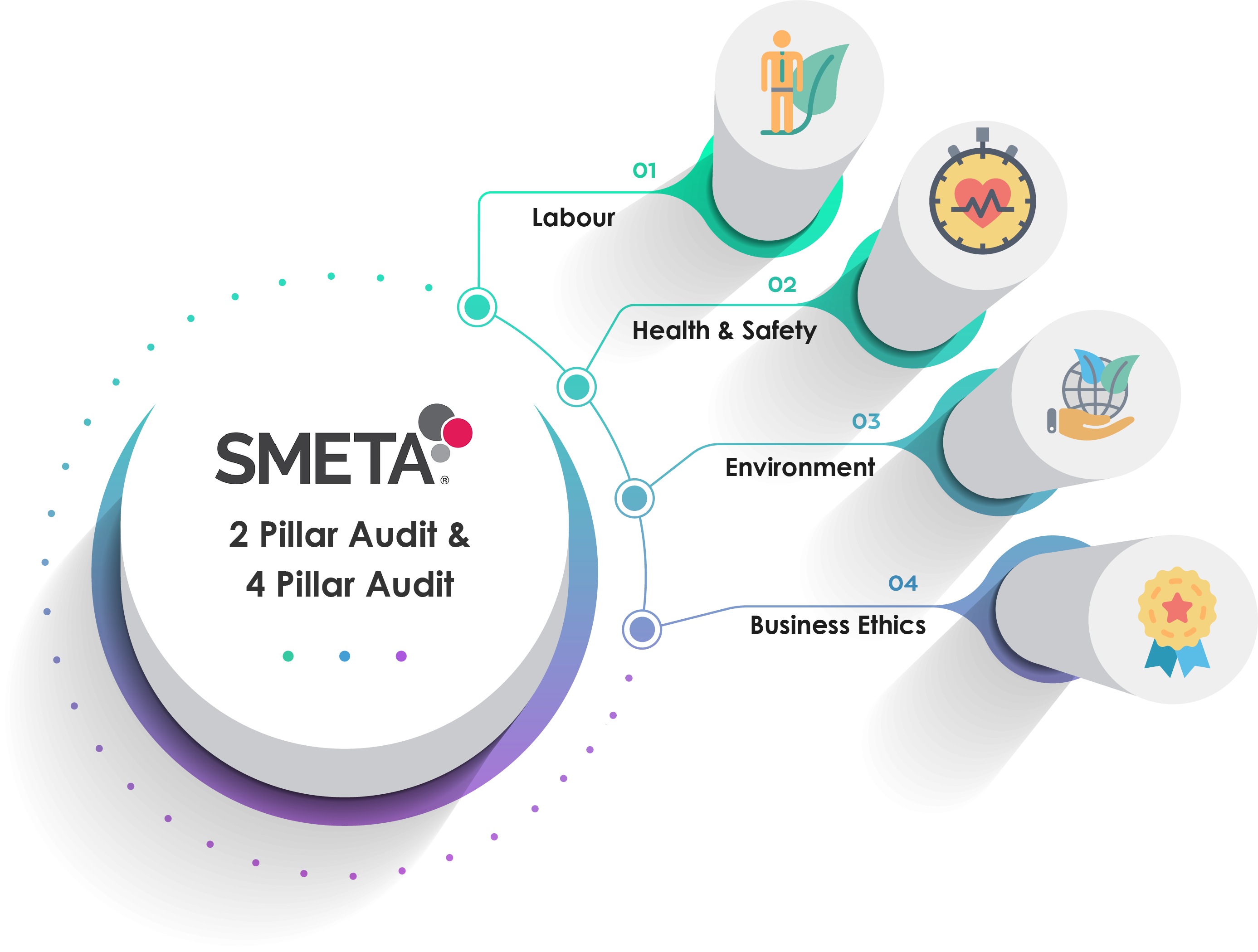
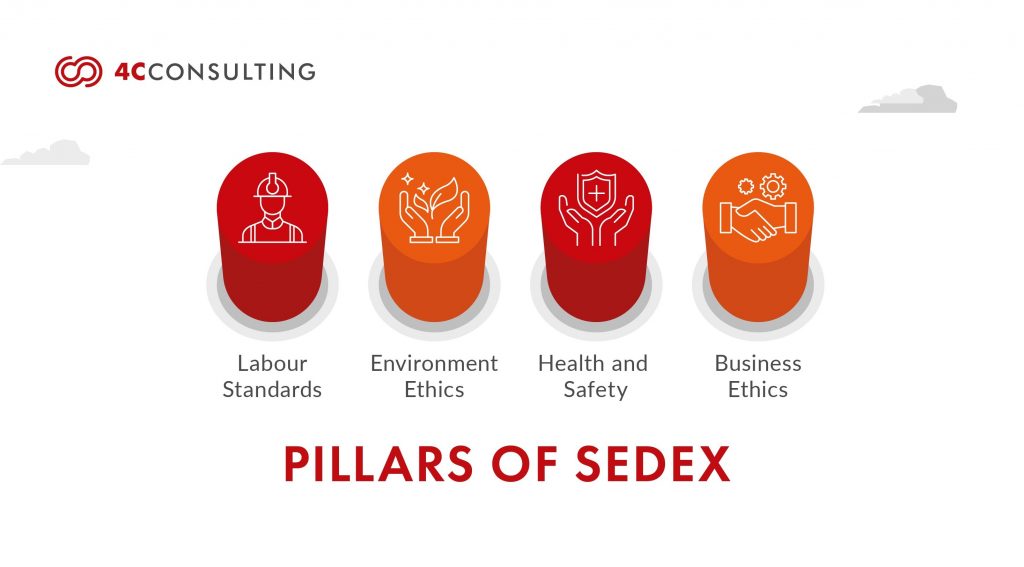
SMETA audits evaluate supplier sites (and sometimes entire organisations) along the following pillars:
- Labour standards / worker rights: child labour, forced labour, discrimination, working hours, wages.
- Health & Safety: workplace safety, emergency preparedness, worker welfare.
- Environment: waste management, energy/water use, emissions, environmental policies. (This is included in the 4-pillar audit)
- Business Ethics: integrity, anti-bribery, transparency, subcontracting, supply chain management. (Again, part of 4-pillar)
2-Pillar vs 4-Pillar
- SMETA 2-Pillar covers only Labour + Health & Safety.
- SMETA 4-Pillar includes all four pillars.
Depending on the business, region or customer requirement, one or the other may be used.
Why Organisations Adopt Sedex & SMETA

6
There are several compelling reasons why organisations choose to use Sedex and participate in SMETA audits.
1. Improved reputation & trust
Ethical supply-chain practices are increasingly demanded by customers, retailers, regulators and end-consumers. By being part of Sedex and completing a SMETA audit, a company can demonstrate commitment to ethical sourcing and responsible practices.
2. Risk management & compliance
Operating in global supply chains exposes companies to risks—labour violations, environmental breaches, health & safety accidents, reputational damage. The Sedex platform helps identify and manage such risks proactively.
3. Supplier efficiency & transparency
Sedex enables sharing of ethical data across buyers and suppliers. This reduces duplication of audits, questionnaires and improves the efficiency of supplier monitoring.
4. Access to market & customer requirement fulfilment
Many large brands and retail chains require their suppliers to be part of Sedex or have undergone a SMETA audit. Being “Sedex-compliant” can open up business opportunities.
5. Continuous improvement of operations
The audit plus corrective action process encourages suppliers and manufacturers to improve labour conditions, health & safety systems, environmental management and governance over time.
How to Navigate the Sedex Journey


6
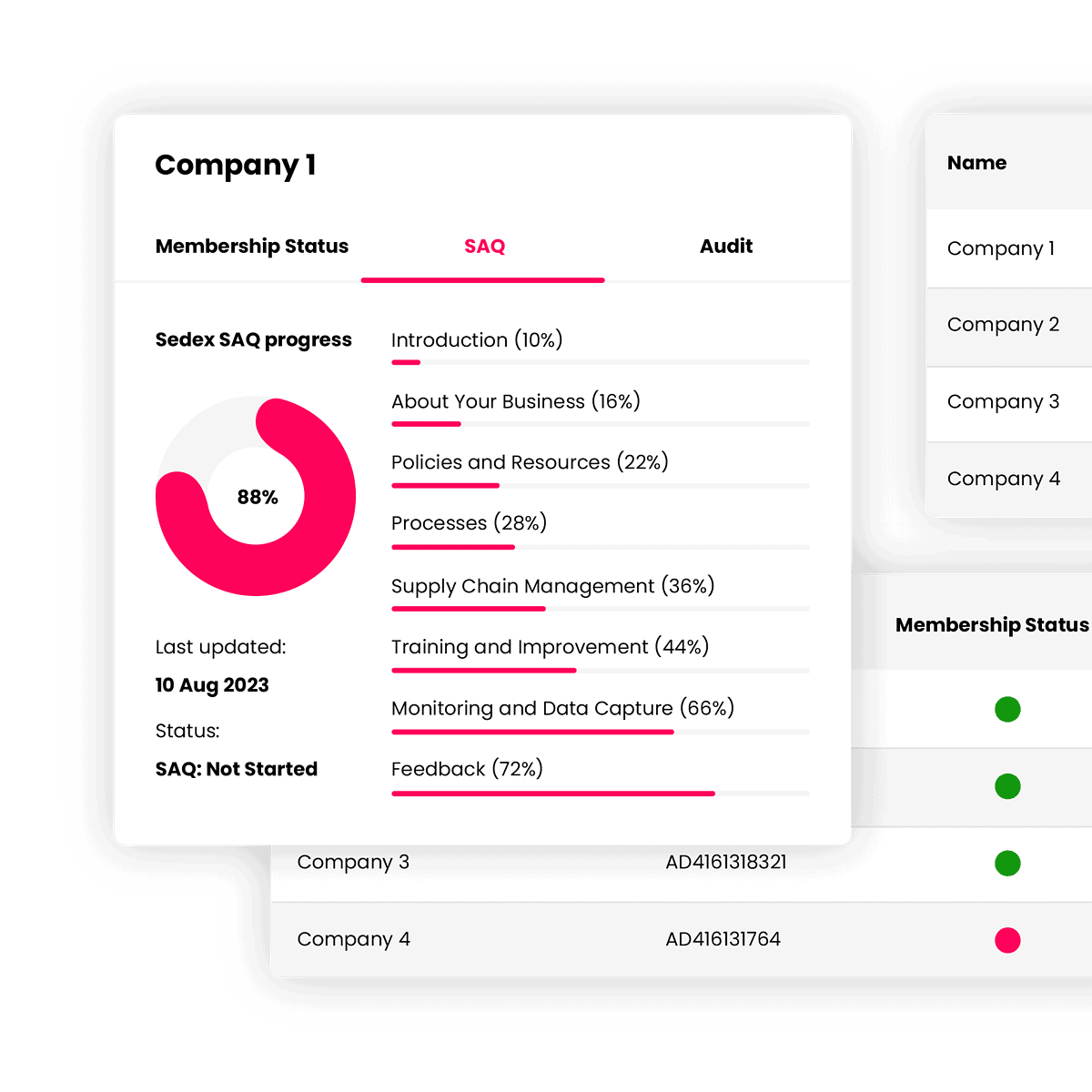
If your business is considering joining Sedex or preparing for SMETA audits, here’s a rough roadmap to follow.
Step 1 – Become a Sedex Member
- Register on the Sedex platform as a buyer or supplier.
- Set up your profile and declare basic information about your site(s) and supply chain.
Step 2 – Risk assessment & supplier mapping
- Identify high-risk suppliers or sites (based on geography, sector, labour intensity, environmental impact).
- Prioritise which sites will undergo audit or self-assessment.
Step 3 – Choose Audit Type & Prepare
- Decide whether you need a SMETA 2-Pillar or 4-Pillar audit, depending on customer requirements and risk level.
- Prepare your internal systems: labour policies, health & safety systems, environmental policies (if applicable), business ethics codes.
- Conduct internal audit, correct major gaps, train your workforce.
Step 4 – Engage an Approved Auditor
- Choose a Sedex-approved Affiliate Audit Company (AAC). Sedex warns against unauthorised “Sedex certification” providers.
- The auditor conducts site visit(s), worker interviews, documentation review, safety inspections.
Step 5 – Audit Report, Upload, Corrective Action
- After the audit, you’ll receive a report and Corrective Action Plan (CAP).
- Upload the report to the Sedex platform, share with customers as needed.
- Implement corrective actions, monitor progress, update records.
Step 6 – Monitor & Renew
- Ethical performance is not a one-time activity – keep monitoring, train staff, review systems.
- Many customers will expect re-audit or follow-up periodically.
Key Considerations for Indian Manufacturing / Suppliers
As you’re based in Delhi, India, and potentially catering to exports, sourcing or global supply-chains, here are some points with local relevance:
- India has a complex mix of small and large manufacturing units; labour laws, environmental enforcement, health & safety orientations vary widely. Having Sedex/SMETA readiness can help you differentiate.
- Many international buyers (in apparel, textiles, electronics, FMCG) demand SMETA audits from their Indian suppliers – being audit-ready gives you competitive edge.
- The audit cost, consultant charges, internal resource dedication are all factors to consider upfront.
- Building a culture of worker welfare, safety, environmental awareness will not only help audit success but also improve long-term productivity, reduce risk of accidents, enhance worker engagement.
- Keep documentation up-to-date: records of working hours, wages, health & safety training, environment management, business ethics policy.
Summary & Final Thoughts
In summary, Sedex offers a platform and methodology (via SMETA audits) to help businesses build ethical, transparent and resilient supply chains. While it is not a “certification” in the strict sense (no pass/fail certificate), participation and audit completion signal that your business takes social, environmental and governance issues seriously.
For businesses aiming to succeed in global supply chains, especially with export markets or large-brand customers, making Sedex/SMETA readiness part of their operational DNA is increasingly important.

hello